







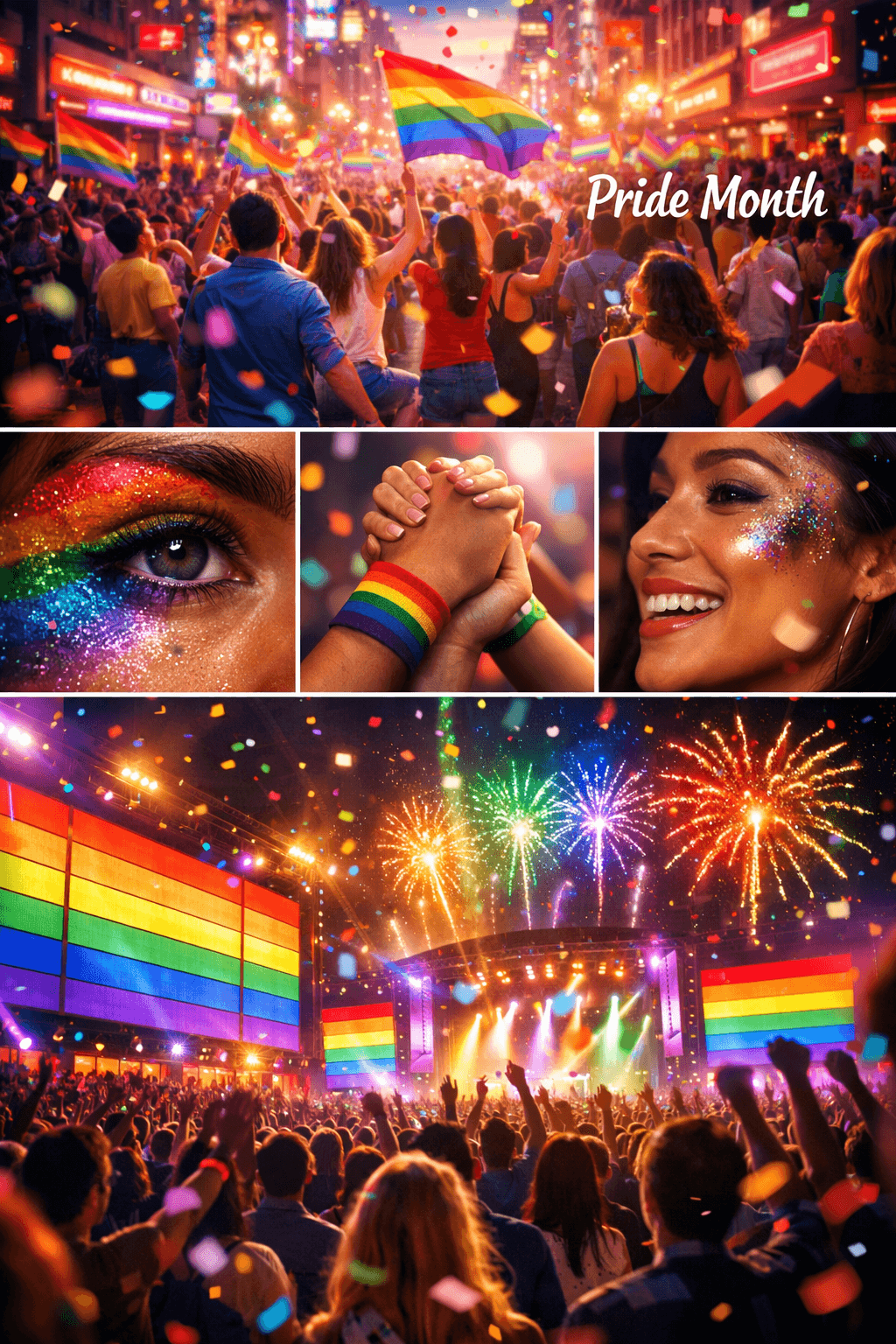
Pride Month isn’t just a party with rainbow colors—it’s a powerful mix of history, identity, courage, and community. Every June, cities, towns, schools, and organizations across the country come together to celebrate the LGBTQ community. But here’s the real question: is Pride just about parades and glitter? Not even close. It’s about visibility, rights, acceptance, and honoring people who fought for the freedom many enjoy today.
Let’s break it down together.
What Is Pride Month?
This Month is a time dedicated to recognizing and celebrating LGBTQ people—their identities, contributions, struggles, and achievements. Think of it as a giant spotlight shining on stories that were pushed into the shadows for years.
The Meaning Behind the Word “Pride”
“Pride” means confidence, self-respect, and refusing to feel shame for who you are. For LGBTQ individuals, this word is powerful. For decades, many people were told to hide. Pride flips that script. It says, “I exist, I matter, and I deserve respect.”
Why June Is Chosen
June marks the anniversary of a key moment in LGBTQ history—the Stonewall Uprising of 1969. That event sparked a global movement for equality, and Pride Month honors that turning point.
The History of Pride Month
You can’t understand Pride without knowing where it started. It didn’t begin as a celebration. It began as resistance.
The Stonewall Uprising
In June 1969, police raided a New York City bar called the Stonewall Inn, a place where many LGBTQ people gathered. Instead of staying silent, people fought back. Protests lasted for days.
Why Stonewall Changed Everything
Stonewall lit a fire. It showed the world that LGBTQ people would no longer accept mistreatment quietly. Activism grew louder, stronger, and more organized.
Early Pride Marches
One year after Stonewall, people marched to remember the uprising. These were not flashy events—they were bold, brave demonstrations demanding equal rights.
From Protest to Celebration
Over time, those marches evolved. Today’s Pride parades still carry that spirit of protest, but they also celebrate progress, culture, and identity.
What Does LGBTQ Stand For?
LGBTQ stands for Lesbian, Gay, Bisexual, Transgender, and Queer (or Questioning). The “+” you often see includes other identities too.
Understanding the Letters
Each letter represents real people with real lives. These terms describe either who someone is attracted to or their gender identity.
Why Representation Matters
Seeing yourself represented is like finally hearing your song on the radio after years of silence. It builds confidence and belonging.
How This Month Is Celebrated Nationwide
Pride is everywhere in June—big cities, small towns, online spaces, and community centers.
Pride Parades
Parades are colorful, energetic, and full of joy. Music, floats, dancing—it feels like a festival. But remember, each parade also honors history and advocacy.
Festivals and Concerts
Pride festivals include art shows, live music, and food vendors. They create safe spaces for people to connect.
Community Workshops and Panels
These events focus on education—discussing rights, health, and social issues affecting LGBTQ individuals.
Pride Symbols and Their Meanings
Symbols help tell stories without words.
The Rainbow Flag
The rainbow flag is the most recognized Pride symbol.
Colors and What They Represent
Each color represents something important, like life, healing, sunlight, and spirit.
Other Pride Flags
Different flags represent specific identities, helping people feel seen within the larger community.
The Role of Allies During The Month
You don’t have to be LGBTQ to support Pride.
What Is an Ally?
An ally supports and stands up for LGBTQ people.
Ways Allies Can Show Support
Listen, learn, speak against bullying, and treat everyone with respect.
In Schools and Workplaces
Inclusion doesn’t stop at parades.
Inclusive Education
Schools may host discussions and promote anti-bullying efforts.
Workplace Diversity Programs
Companies use Pride Month to strengthen inclusion and equality.
The Importance of Visibility
Visibility saves lives. It tells people they aren’t alone.
Breaking Stereotypes
Real stories challenge harmful myths.
Building Confidence
Acceptance allows people to live openly and safely.
Challenges the LGBTQ Community Still Faces
Progress doesn’t mean perfection.
Discrimination and Bullying
Many still face unfair treatment.
Mental Health Awareness
Support systems are crucial for well-being.
Pride Beyond Parades
Pride isn’t just one day of celebration.
Volunteering and Advocacy
Support organizations working for equality.
Supporting LGBTQ-Owned Businesses
Economic support helps communities grow.
How Social Media Impacts on Pride Month
The internet amplifies voices.
Awareness Campaigns
Hashtags and stories spread education.
Online Communities
Digital spaces help people connect safely.
Pride Month Around the World
Different countries celebrate in their own ways, but the message remains: equality and dignity.
How You Can Participate Respectfully,
Curious? Start by learning.
Learning First
Understand history and experiences.
Listening to Voices from the Community
Let people share their own stories.
The Future of Pride Month
Young people are shaping the future.
Youth Leadership
New generations bring new ideas.
Growing Inclusivity
The movement continues to expand and welcome more identities.
Conclusion
This Month is a celebration, a remembrance, and a call to action all at once. It honors courage from the past, promotes equality in the present, and inspires hope for the future. Whether through parades, education, or simple acts of respect, Pride reminds us that everyone deserves to live openly and safely. At its heart, Pride Month is about humanity—and that’s something everyone can stand behind.
FAQs
1. Why is this month important?
It raises awareness, promotes equality, and celebrates LGBTQ identities and history.
2. Do you have to be LGBTQ to attend Pride events?
No. Allies are welcome when they show respect and support.
3. Is this month only about parades?
No. It includes education, advocacy, and community support.
4. What does the rainbow flag mean?
It symbolizes diversity, hope, and unity within the LGBTQ community.
5. How can someone support Pride if they can’t attend events?
Learn, share accurate information, support inclusive policies, and treat everyone with dignity.